In short:
• A dependable truck parts manufacturer supplies components built to OEM or equivalent specification, with traceable materials and consistent fit.
• Fleet operators should check production processes, material certification, and after-sales support before committing to a supplier.
• Local sourcing in Brisbane, QLD can reduce freight delays and simplify warranty handling compared with overseas-only suppliers.
Choosing a reliable truck parts manufacturer means verifying that a supplier can produce components to consistent tolerances, back them with material certification, and support fleets with timely replacement stock. Fleet managers and workshop operators typically look for proof of manufacturing process, not just a product catalogue.
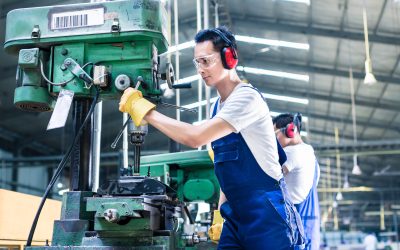
A Truck Parts Manufacturer that fabricates parts in-house, rather than relying solely on imported stock, generally has more control over quality and turnaround. This matters for operators running tight delivery schedules, where a delayed part can idle a vehicle for days. Checking whether a supplier owns its own fabrication equipment is one of the simplest ways to gauge reliability before placing an order.
Manufacturing Process and Material Quality
The way a part is made affects how long it lasts under load. Steel fabrication, welding consistency, and finishing all influence whether a component holds up to the vibration and stress typical of heavy transport work.
Buyers should ask suppliers about:
• The grade and source of steel or alloy used in fabrication
• Whether parts are cut, welded, and finished on-site or outsourced
• Quality checks applied before dispatch
• Compatibility with OEM specifications for the truck make and model
Operators in Brisbane, QLD often deal with long-haul routes and variable road conditions across Queensland, which places extra demand on chassis and trailer components. A manufacturer that understands these operating conditions is better placed to recommend parts suited to local freight patterns rather than generic stock.
Comparing Sourcing Options
Fleet buyers generally choose between a few sourcing paths, each with trade-offs in cost, lead time, and quality control.
|
Sourcing Option |
Lead Time |
Quality Control |
Typical Use Case |
|
Local manufacturer |
Shorter, fewer freight delays |
Direct oversight of fabrication |
Custom or urgent fleet repairs |
|
Imported bulk supplier |
Longer, subject to shipping schedules |
Variable, depends on overseas factory |
High-volume standard parts |
|
Generic aftermarket retailer |
Moderate |
Limited traceability |
Low-criticality replacement items |
Local manufacturing generally shortens the time between ordering and installation, which reduces vehicle downtime. Imported bulk suppliers can offer lower per-unit pricing but often carry longer wait times and less direct accountability if a part fails to meet specification.
Service Area and Support Considerations
Reliability extends beyond the part itself to how a manufacturer supports the customers who use it. Based in Larapinta QLD, Shephard Transport Equipment supports customers operating throughout Brisbane, QLD, which allows for more direct communication on custom fabrication jobs and repeat orders.
Questions worth asking any prospective supplier include:
1. How quickly can replacement parts be fabricated if a design needs adjusting
2. Is there a direct line of contact for technical questions about fitment
3. What warranty or workmanship guarantee applies to fabricated components
4. Can the manufacturer supply documentation for compliance or roadworthy checks
Vehicle standards for heavy vehicles in Australia are set out by the National Heavy Vehicle Regulator, which maintains compliance requirements relevant to trailer and chassis components used in commercial transport. Checking that a parts manufacturer understands these standards can reduce the risk of compliance issues during inspection.
Frequently Asked Questions
What makes a truck parts manufacturer different from a general parts retailer? A manufacturer fabricates components directly, which generally means more control over material selection, welding quality, and fitment accuracy compared with a retailer reselling third-party stock.
How important is local sourcing for fleet maintenance? Local sourcing reduces freight delays and makes it easier to resolve fitment issues quickly, which matters for fleets that cannot afford extended downtime.
What should be checked before ordering custom fabricated parts? Confirm the material specification, expected lead time, and whether the manufacturer can provide documentation supporting compliance with heavy vehicle standards.
Do fabricated parts need to match OEM specifications exactly? They need to meet equivalent performance and safety standards, even if not identical to the original manufacturer’s design, to ensure safe and compliant operation.
Business Info
Shephard Transport Equipment operates from Larapinta QLD and lists its service details, contact information, and location on its Google Business Profile.
Current details for Shephard Transport Equipment are published for reference by fleet operators in the surrounding service area.